
Understanding Sensory Differences and Sensory Regulation
Many neurodivergent folks experience sensory information differently than neurotypical people. You may notice that certain sensations feel uncomfortable or even physically painful — and you might have felt dismissed or invalidated when you tried to talk about it.
You are not alone. What you’re experiencing is real, and your sensory needs deserve to be understood, respected, and accommodated.
Why Sensory Regulation Matters for Emotional Health
Did you know it’s much harder to regulate your emotions when your sensory needs aren’t being met? Without sensory safety, your nervous system can go into high alert. You might notice:
The urge to escape a situation
Heightened anxiety
Irritability or anger
Feeling frozen, shut down, or overstimulated
These are often signs of sensory dysregulation — and if they’re happening regularly, especially without your consent or control, they can lead to trauma responses over time.
Did You Know There Are 8 Senses?
Most people know the five basic senses:
Sight, smell, taste, touch, and hearing.
But there are actually eight senses, and understanding all of them can help make sense of how your body experiences the world.
Here are the three less-talked-about senses that impact sensory regulation:
Interoception – What you feel inside your body (temperature, pain, hunger, tension, emotions).
Vestibular – Your sense of balance and motion.
Proprioception – Your awareness of your body in space (for example, knowing how much pressure to use when writing or the feeling of being crowded).
Sensory Likes and Dislikes
To support your sensory well-being, it’s important to explore your sensory preferences. The goal isn’t to tolerate everything — it’s to increase your sensory likes and reduce your sensory dislikes.
Examples of Sensory Likes
A tight hug (proprioception)
Watching lava lamps (visual)
Swinging gently (vestibular)
Feeling warm but not hot (interoception)
Listening to flowing water (auditory)
Chewy foods (texture/touch)
Examples of Sensory Dislikes
The sensation of falling (vestibular)
The smell of smoke (olfactory)
Itchy clothing tags (tactile)
Crowded rooms (proprioception)
Loud or repetitive beeping (auditory)
Your list will be unique to you. If you’ve spent years pushing through discomfort, it might take time to reconnect with your own preferences — and that’s okay.
Strategies for Sensory Regulation
Building sensory awareness takes practice, especially if you’ve had to mask or suppress your needs. Here are some tools to support you:
1. Sensory Check-Ins
Pause throughout the day and ask yourself:
Am I feeling overstimulated?
Which senses are most activated?
What do I need right now?
Try moving through each of the 8 senses to reflect on what’s happening in your body.
2. Stimming
Stimming is regulating. Use self-stimulating behaviours that align with your sensory likes.
Examples:
Rocking gently
Using a weighted blanket
Fidgeting with a sensory toy
3. Sensory Kits
Heading into an overwhelming environment? Pack a few comfort tools:
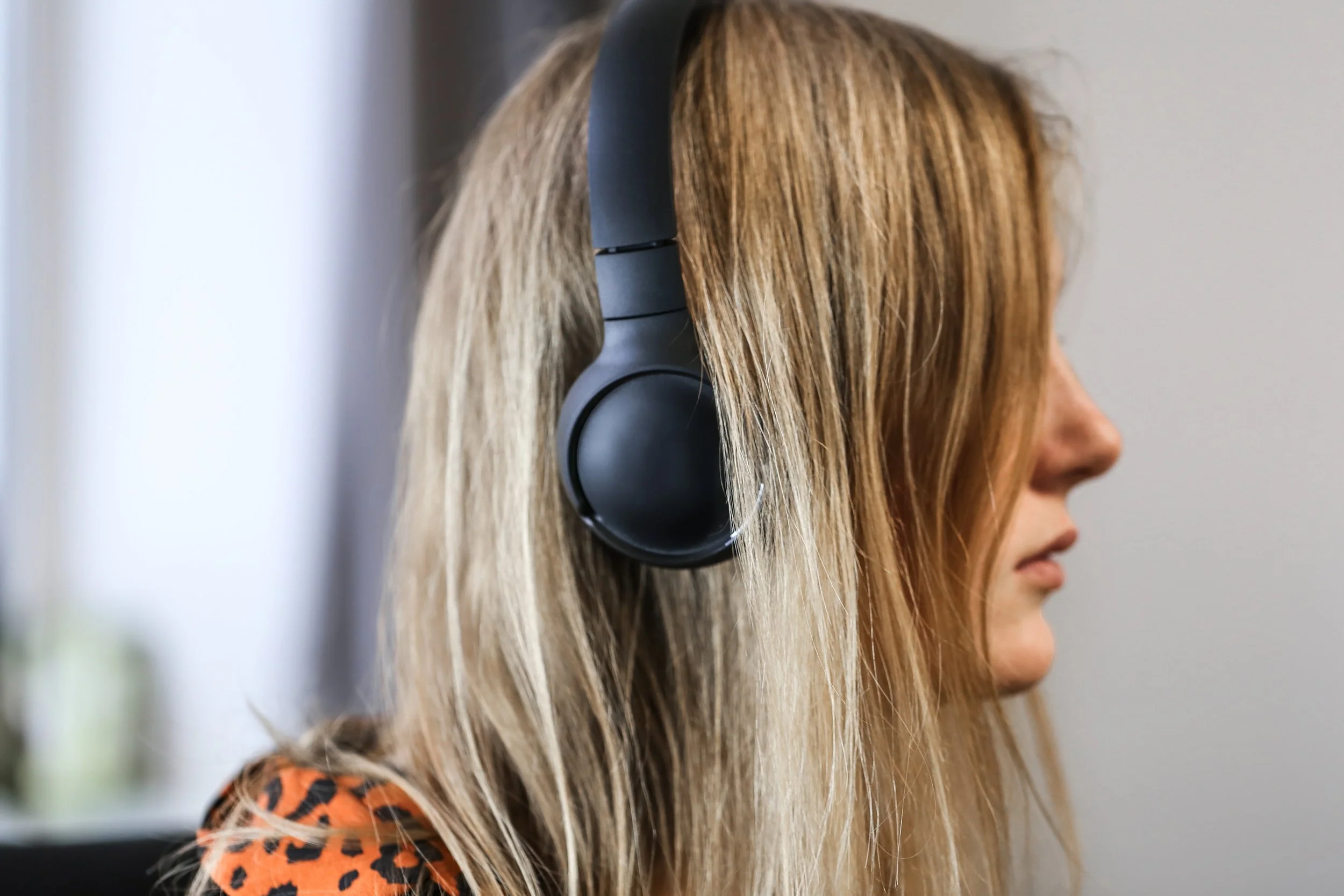
Noise-cancelling headphones
Soft or squishy fidgets
Sunglasses, gum, or essential oil rollers
4. Sensory-Safe Spaces
Create a cozy, low-stimulation zone at home:
Soft pillows
Dim lighting
Calming visuals or textures
This can be a space to recharge after overstimulation or to prepare for it.
5. Asking for Accommodations
Self-advocacy can be tough — but it’s a right. Here’s a helpful formula:
Self-advocacy = self-disclosure + request for accommodations
Start small. Make a list from least to most intimidating asks. A therapist can help you practice this and build your confidence.
You Deserve Sensory Safety
If you’ve had to endure uncomfortable or painful sensory environments, it’s not your fault — and you don’t have to keep pushing through. Exploring your sensory needs is an act of care.
If you’d like support in identifying your sensory likes and dislikes, creating a regulation plan, or advocating for accommodations, I’d be honoured to help.
You’re not faking it. You deserve to feel safe and supported.