

Why Men’s Mental Health Needs a Spotlight
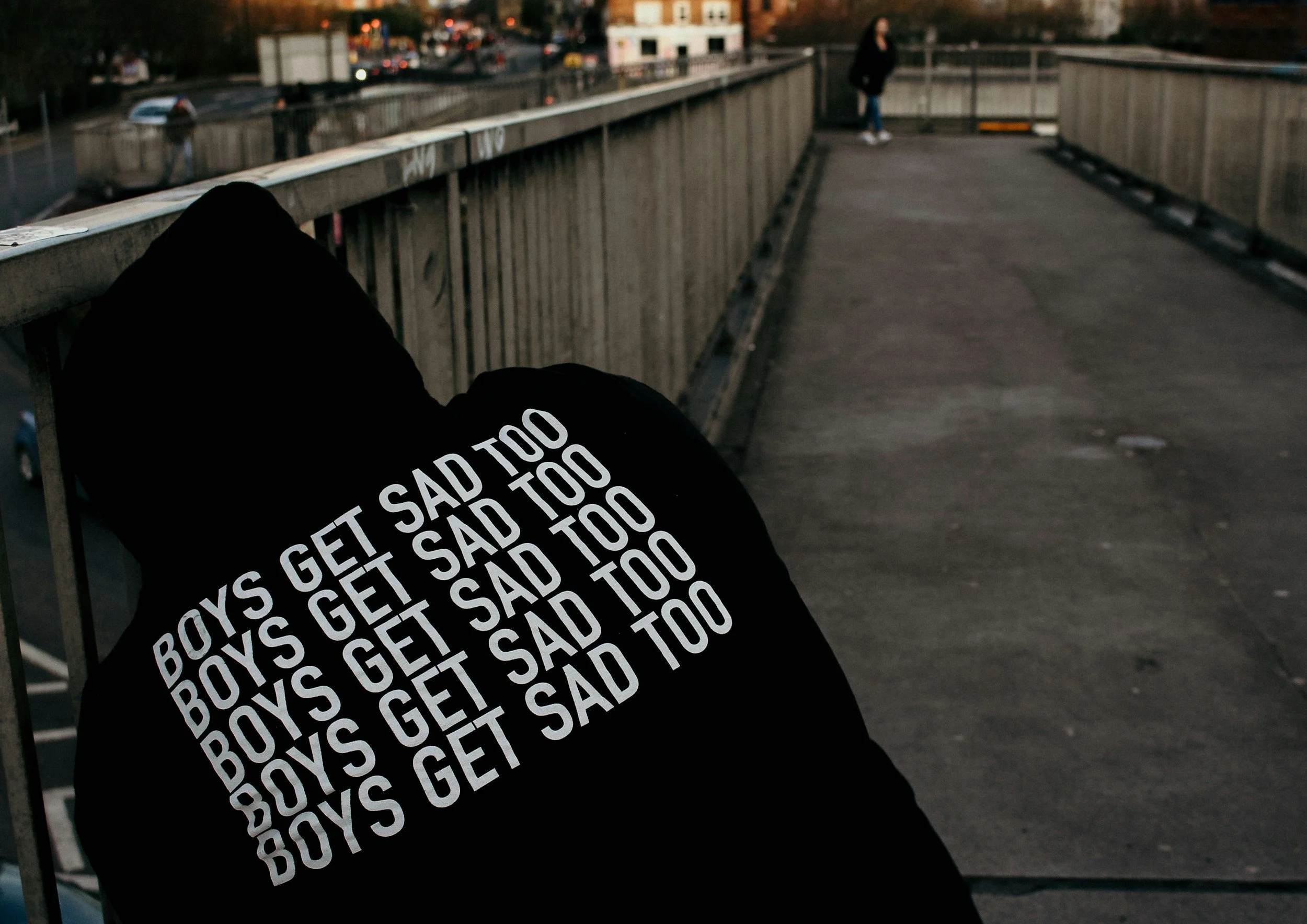
June is Men’s Mental Health Month — a time to name something many people know but rarely say out loud: men struggle too. And often, they struggle in silence.
Society teaches men to push through, bottle things up, and keep going no matter what. But mental health challenges don’t make you weak. They make you human.
You don’t have to be falling apart to ask for help. You don’t have to explain it perfectly. And you definitely don’t have to do it alone.
Mental Health in Men: What You Might Not Hear Enough
Mental health symptoms in men often look different than the stereotypes. You might not feel “sad” — but maybe you’re:
Snapping more often
Having trouble sleeping
Always tired, even after rest
Finding it harder to focus
Avoiding people you care about
Drinking more than usual
Feeling numb, restless, or stuck
These are valid signs. You're not just “having a rough week.” You're carrying a lot — and your mental health deserves care.
What Can Help: Tools That Actually Feel Doable
1. Redefine strength
True strength isn’t about never struggling. It’s about facing what's real — even when it's uncomfortable. Starting a conversation or booking a therapy session takes real guts.
2. Start small
You don’t have to unpack everything at once. Try checking in with yourself daily: What’s been weighing on me today? What do I need more of — or less of — right now?
3. Talk to someone who gets it
The right support isn’t about being “fixed.” It’s about being heard. A good therapist creates a space where you can show up without pressure. Where you’re respected for being exactly where you are.
4. Set boundaries where you can
Stress builds fast, especially in caregiving roles, high-pressure jobs, or environments that don’t leave much room for rest. Take a walk. Say no to one more shift. Turn off your phone. Protecting your peace is not lazy or selfish — it’s necessary.
5. Normalize therapy (even if it’s new)
Men are often told therapy is “too much,” “too soft,” or “not for them.” But the truth is, therapy can be direct, practical, and empowering. The key is finding someone who meets you where you’re at.
Meet Savanna: Therapy That Feels Like It’s Built for You
Savanna Smith is a Nurse Psychotherapist at our clinic, and she’s known for working with men who might not see themselves in the typical therapy picture.
She uses cognitive-behavioural therapy (CBT) in a down-to-earth, collaborative way.
“No jargon. No judgment. Just honest conversations that help you feel more in control,” says Savanna.
She’s worked with:
First responders (paramedics, police, firefighters)
Men in construction, trades, and the military
Neurodivergent clients navigating ADHD, anxiety, or trauma
Folks working through grief, anger, burnout, or just feeling off
Savanna creates a space where you don’t have to explain everything. Where you don’t have to hold it all together. Where your mental health gets the same care and respect as your physical health.

Why It Works
Men who work with Savanna often describe their sessions as:
Practical and collaborative — not clinical or distant
Straightforward, with real tools that make a difference
Respectful of who they are, without pressure to change
Inclusive of all identities — cis, trans, straight, queer, racialized, neurodivergent
You Deserve Support That Fits You
If you’ve been told to “tough it out” or “handle it yourself,” we want you to know: it’s okay to need something different. Your mental health matters. Your story matters. And you don’t have to carry it alone.
If you’re ready for support that actually fits your life, book a free consultation with Savanna today.
We’re here when you’re ready.